ping #62 · tiny delights
The Bush That Ducks: Obstacles That Show Their Cracks
In Sozo, obstacles crack, shrink, and tip over at two-thirds and one-third of their health. A health bar without numbers.
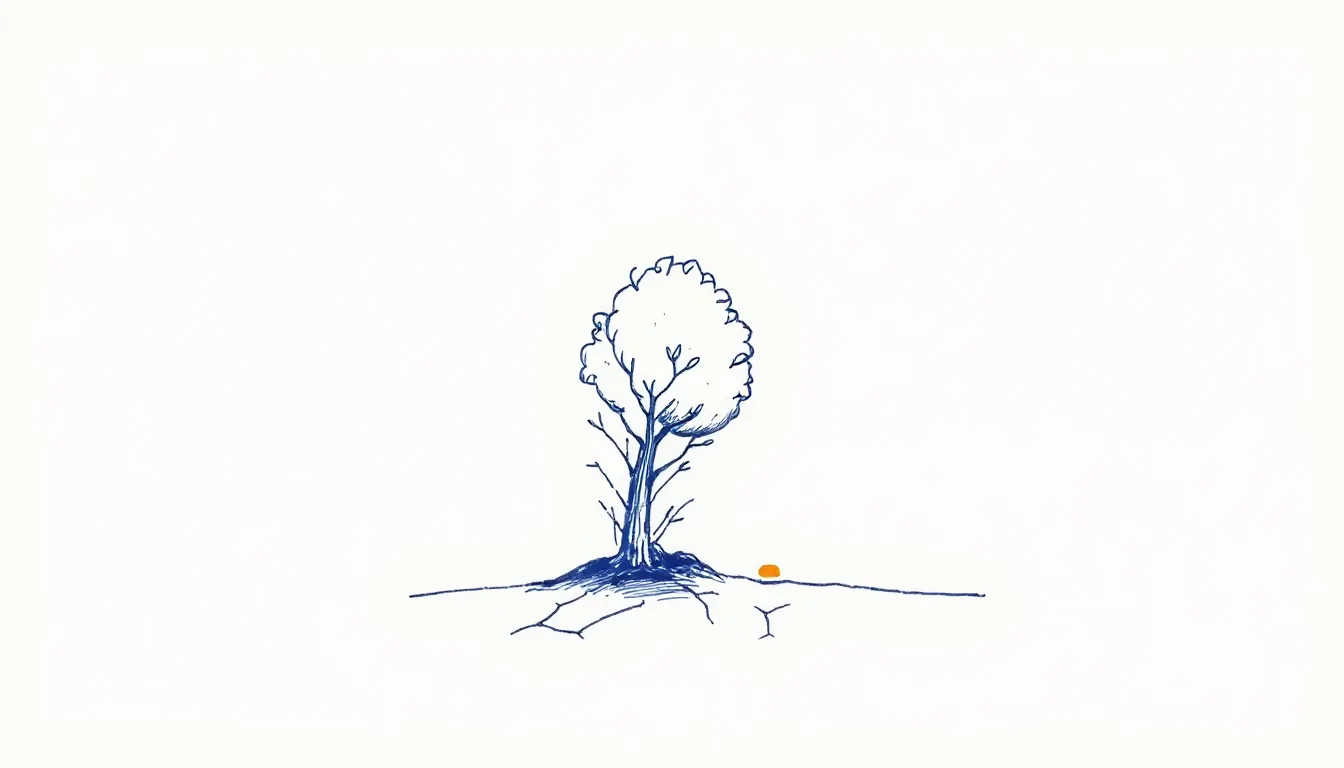
Health bars are practical. They’re also a little boring. A green line that gets shorter says everything and tells you nothing. In Sozo – Tower Defense, some objects take a different route. The obstacles sitting on your build spots show their condition with their body. Our ping about a bush that ducks.
What obstacles are in Sozo
In Sozo, your real floor is the playing field. An invisible hex grid lies on top of it, and on certain tiles you’re allowed to build towers. Many of these build spots start a level blocked, according to the studio’s game guide: by bushes, trees, rocks, and rift crystals, each matching the theme of the realm.
To free up a spot, you tap the obstacle. That makes it the priority target, and every tower in range fires at it until it breaks. After that, the tile is free, and you get gold. Important: obstacles are only shot at while they’re marked. So you decide when your towers have time for gardening.
Two-thirds, one-third
And here’s the detail. According to the guide, obstacles visibly crack, shrink, and tip to the side at 2/3 and at 1/3 of their health. Two stages, three states:
- Intact: upright, full size.
- Battered: first cracks, a bit smaller, slight tilt.
- Almost gone: more cracks, smaller still, clearly leaning.
After that: gone, tile free, gold.
The bush literally ducks. Without a single number, it tells you how much longer it’ll stand.
Why this works especially well in mixed reality
In Sozo, the game objects are small. Towers are about 7 centimeters wide, according to the guide, and everything stands on your living room floor, spread around the sofa and table. Floating a health bar over every bush would make the picture busy fast, especially when lots of tiles are blocked. And there are lots of them: at the start, roughly 65 percent of the build spots along the path carry an obstacle, according to the guide, and that share climbs as the game goes on.
A state indicator built into the shape itself, on the other hand, stays calm. You read it with a quick glance across the floor, the way you can see in real life that a chair is wobbly or a plant is wilting. That fits a game that wants to blend into your apartment.
Not all obstacles are equal
The four types have different amounts of health, according to the guide (base values, current state): bush 220, tree 620, rock 760, rift crystal 1100. As you progress, they get tougher but also pay out more gold. The strategically best spots tend to get rift crystals, less valuable spots tend to get bushes and trees. So a bush is the friendliest opponent in the garden: gone quickly, small reward. That’s exactly why the visible state indicator is so useful: with a rift crystal that has far more health, the cracks tell you whether it’s still worth firing away or whether your towers should be aiming at an incoming wave instead.
And not every tower helps with clearing. Air Missile and Arcane Obelisk can’t hit obstacles, and the Prism Laser only burns a marked obstacle if its beam crosses it.
Three tiny delights
- The tipping. An object that leans to the side looks tired. You almost feel sorry for the bush.
- Two stages, not ten. Just enough information to know: a little more.
- Gold at the end. Gardening pays off, literally.
What we’d steal for our own projects
If your project shows progress or state, ask whether it can be drawn into the object itself. An icon that gets cracks, a plant that straightens up, a stack that gets smaller. Two or three clearly distinguishable stages are often plenty. You can keep numbers around for the people who really need them. For everyone else, a shape that changes is enough.
Our sketch: the same bush three times in a row, a little smaller and more crooked each time. The third one looks at us a bit reproachfully.