ping #3 · tiny delights
"You can SEE me?": The Double Take Sozo Uses to Say Hello
In Sozo's intro, ECHO tumbles out of a crack in your wall, shakes herself off, freezes, and waves. Why a startled look warms you up more than any greeting.
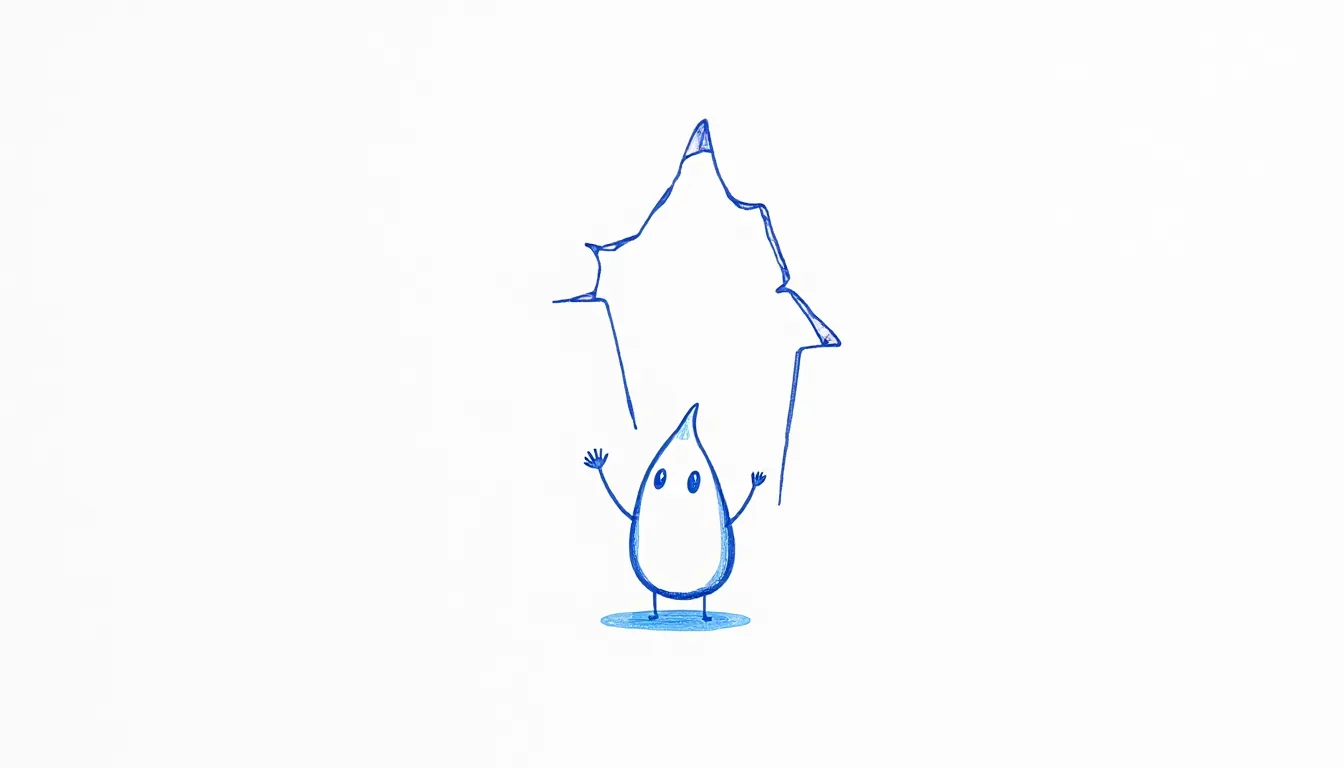
Most games greet you with a menu. Sozo – Tower Defense greets you with a double take. And that split second when a little hologram figure first misses you and then stares in disbelief is the detail we’re zooming into today.
Beat two of eight
According to the studio’s game guide, Sozo’s intro is a roughly 60-second short film staged in your actual room. It’s made up of eight beats. In the first, everything goes quiet: music fades in, the passthrough image dims slightly, a spark appears on your real wall, and then a crack of light draws itself up the wall.
In the second beat, “Arrival,” our favorite moment happens. ECHO bursts out of the crack, tumbles across the floor, shakes herself off, does a double take in your direction, and waves. Along with it come the lines: “Whoa! A human! …You can SEE me?” and right after, more seriously: “Malgrath shattered our Crystal. This seed is all that’s left!”
That’s just a few seconds. But they do a lot.
What a double take actually is
The double take is an old trick from slapstick and cartoons: a character sees something, doesn’t react at first, looks away, and only then does the meaning sink in. Head back, big eyes. The joke lives in the delay. The audience is one step ahead of the character and enjoys the moment they catch up.
In Sozo’s intro, you are the thing being seen. ECHO has just taken a fall through a dimensional seam, picks herself up, shakes off the dust, and then: wait, there’s someone standing there. The question “You can SEE me?” flips the usual setup. Normally you’re the one marveling at the game world. Here the game world marvels at you.
Why that’s warmer than “Welcome!”
A “Welcome, player!” is polite, but it’s a formality. It could apply to anyone. A startled look, on the other hand, is a reaction, and reactions feel personal. ECHO wasn’t expecting you. So you’re something special.
Then there’s the location. Because the whole thing happens in mixed reality, ECHO tumbles across your floor, in front of your wall. The double take is aimed at a person who is actually standing in the room. In a movie, you watch someone look at the camera in surprise. Here there’s no camera, just you.
And finally, the order. First the wonder and the wave, then the bad news about the shattered crystal. The guide doesn’t give any numbers on the dramaturgy, but the pattern is familiar: whoever laughed or smiled first listens more closely to the serious news. The warmth comes before the mission.
What happens next
The double take is only the opening. Right after, a glowing crystal seed floats up to arm’s length, and the game asks you to do something yourself for the first time. As things continue, the crack tears open, Malgrath’s voice pipes up (“There you are, little program.”), and ECHO hides behind the freshly planted crystal. The little figure who was just marveling at you now needs your protection. That tells the whole game’s role assignment in less than a minute.
If you want to watch the intro again later, the guide says it’s under Settings → INTRO. And if you’d rather skip it on your first launch, you can hold down the floating SKIP button.
Three tiny delights
- The shake. Before ECHO notices you, she shakes herself off. A little bit of physicality that makes the fall believable.
- The capital letters. “You can SEE me?” That one emphasized word carries the whole joke.
- The wave. After the shock comes no explanation, but a greeting. Relationship first, plot second.
What we’d steal for our own projects
If you’re designing a greeting for an app, a game, or a website, ask yourself: can the character react to the person, instead of just addressing them? A small moment of surprise, a hesitation, a second glance turns a welcome message into an encounter. That works even on paper: draw a character twice side by side, once relaxed, once with big eyes. Suddenly the two-page spread tells a story.